Why Does My Heater Smell Like It’s Burning When I First Turn It On?
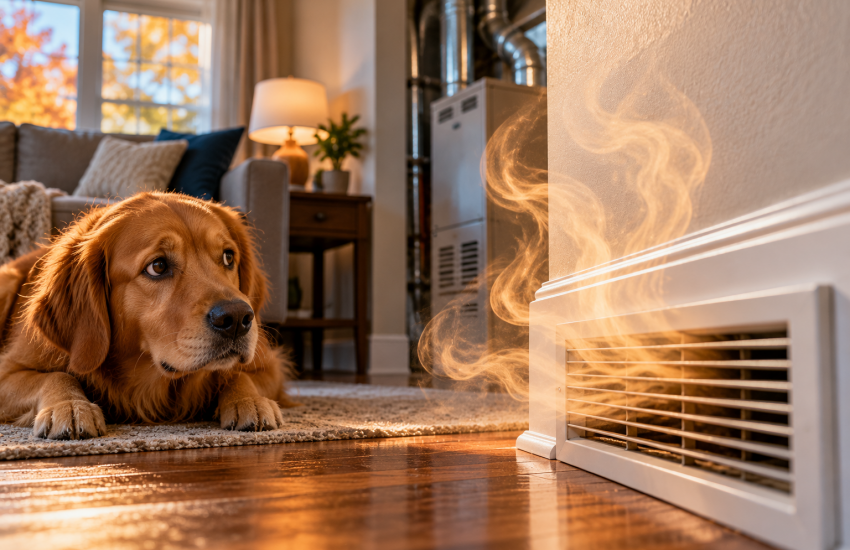
It’s a chilly morning in South Carolina, so you turn on your heater for the first time in months. A few minutes later, you notice an unusual burning smell coming from your vents. Should you be worried, or is this normal?
A burning smell when you first turn on your heater can be harmless, but it can also indicate a problem that requires professional attention. Understanding the difference can help you protect your home, avoid unnecessary repairs, and know when to call for heating repair in Elgin, SC.
At Superior Heating & Air Conditioning, LLC, we help homeowners throughout Elgin, Blythewood, Lake Carolina, Columbia, Camden, and surrounding communities diagnose heating problems and keep their homes comfortable during colder weather.
Here are seven common reasons your heater might smell like it’s burning and what you should do about each one.
1. Dust Is Burning Off Your Heating System
One of the most common reasons for a burning smell when you first turn on your heater is accumulated dust.
During South Carolina’s long cooling season, your heating equipment may sit unused for several months. Dust can collect on heating elements, heat exchangers, and other internal components.
When the heating system starts operating, that dust can heat up and produce a temporary burning or dusty odor.
Is this normal?
A mild dusty smell that disappears relatively quickly during the first heating cycle can be normal, particularly with electric heating elements and furnaces.
However, the odor shouldn’t be overwhelming or persist for an extended period.
If the smell continues, becomes stronger, or resembles burning plastic or electrical wiring, turn off the system and have it inspected.
Scheduling regular HVAC maintenance can help identify dirty components and other issues before the heating season begins.
2. Your Air Filter Is Dirty or Clogged
Your HVAC air filter helps capture dust, pet hair, and other airborne particles before they circulate through your heating and cooling equipment.
Over time, the filter can become clogged, restricting airflow through the system.
Restricted airflow may cause certain heating components to operate at higher temperatures than intended. Some systems will shut down automatically when safety limits are reached, but the underlying problem still needs attention.
Signs of a dirty air filter include:
- Weak airflow from vents
- Unusually long heating cycles
- Higher energy bills
- Excessive dust around the home
- Heating equipment turning on and off frequently
- Unusual odors when the heater operates
What should you do?
Check your air filter and replace it if it’s dirty. Make sure the replacement filter is the correct size and appropriate for your HVAC equipment.
If the burning smell continues after replacing the filter, shut down the heating system and contact a professional.
A dirty filter may contribute to overheating, but you shouldn’t assume it’s the only cause of an unusual burning odor.
3. Electrical Components Are Overheating
A burning electrical smell is something homeowners should take seriously.
Your heating system contains electrical components, including wiring, motors, capacitors, relays, and control boards.
If a connection becomes loose, a motor overheats, or an electrical component begins failing, you may notice a sharp burning smell.
Some homeowners describe the odor as similar to melting plastic, hot wiring, or burning electronics.
Other warning signs may include:
- Buzzing or humming noises
- Frequent circuit breaker trips
- Heating equipment shutting off unexpectedly
- Visible smoke
- A strong smell near the indoor HVAC unit
What should you do?
Turn off the heating system if you can do so safely.
Don’t repeatedly reset a tripped breaker or attempt to inspect internal electrical components yourself.
If you notice smoke, flames, or an immediate fire hazard, leave the area and contact emergency services.
Otherwise, schedule professional heating repair services to have the system inspected before operating it again.
Electrical problems are not something to ignore or postpone until your next routine maintenance appointment.
4. Your Heat Pump Is Experiencing a Mechanical Problem
Heat pumps are common in South Carolina because they provide both heating and cooling from one system.
Unlike traditional furnaces, heat pumps generally move heat rather than generating it through combustion.
However, heat pump systems still contain motors, electrical components, and other parts that can develop problems.
A burning smell may be associated with:
- Overheating blower motors
- Electrical component failures
- Damaged wiring
- Problems involving auxiliary electric heat
- Dust accumulating on electric heating elements
Some heat pumps use auxiliary electric heating elements when additional heating capacity is needed. When these elements operate after an extended period of inactivity, accumulated dust may create a temporary odor.
However, persistent or strong burning smells are not normal.
If your heat pump smells like burning plastic, repeatedly shuts off, or isn’t heating properly, professional heat pump repair may be necessary.
A qualified HVAC technician can inspect the system and determine whether the odor is related to normal seasonal operation or a developing equipment problem.
5. Something Is Inside Your Ductwork or Heating Equipment
Sometimes, the smell isn’t coming from the heating equipment itself.
Dust, debris, and other materials can accumulate inside ductwork or near HVAC components.
In some situations, pests may also enter accessible duct systems or equipment cabinets.
When warm air begins circulating, existing odors can become more noticeable throughout the house.
You might notice a musty, dusty, or unpleasant smell coming from several vents.
However, it’s important to distinguish ordinary dust or debris odors from electrical burning smells, smoke, or possible gas-related odors.
If the smell appears to be coming from your ventilation system, a professional inspection can help identify the source.
Damaged or leaking ductwork may also allow unwanted odors and contaminants from attics, crawlspaces, or other spaces to enter the conditioned airflow.
Addressing the underlying source is more effective than simply using air fresheners to cover up the smell.
6. Your Furnace Has a Combustion or Ventilation Problem
If your home uses a gas furnace, unusual odors deserve special attention.
Gas furnaces burn fuel to produce heat, and their combustion systems must operate correctly to protect your home.
Problems involving burners, venting, heat exchangers, or other components may create unsafe operating conditions.
A furnace that produces soot, unusual combustion odors, or other warning signs should be evaluated by a qualified professional.
What If My Heater Smells Like Rotten Eggs?
A rotten egg or sulfur-like smell may indicate a natural gas leak.
If you suspect a gas leak, leave the building immediately.
Don’t operate electrical switches, use your phone inside, light matches, or attempt to locate the leak yourself.
Once you’re safely outside and away from the building, contact your gas utility’s emergency number or 911.
It’s also important to remember that carbon monoxide is odorless. You cannot determine whether carbon monoxide is present based on smell.
Homes with fuel-burning equipment should have properly installed and maintained carbon monoxide alarms.
If your furnace is showing signs of combustion or ventilation problems, don’t continue operating it until it has been professionally evaluated.
7. Your Heating System Hasn’t Been Serviced Recently
Sometimes, an unusual burning smell is one of several warning signs that your heating system needs maintenance.
Over time, HVAC components can accumulate dust, experience wear, or develop electrical and mechanical problems.
Regular inspections give technicians an opportunity to identify these issues before they cause a breakdown.
During a professional heating tune-up, a technician may:
- Inspect electrical connections
- Check blower motor operation
- Evaluate airflow
- Inspect heating components
- Check thermostat operation
- Examine safety controls
- Inspect combustion and venting components where applicable
- Evaluate overall system performance
The specific inspection depends on the type of heating equipment installed in your home.
Although routine maintenance can’t prevent every problem, it can help identify developing issues and support safe, reliable system operation.
If you haven’t scheduled heating maintenance within the past year, fall is a good time to have your equipment evaluated.
How Long Should a Burning Smell Last When You First Turn On the Heat?
A mild dusty odor during the first heating cycle may disappear within several minutes to a short period of operation.
However, there isn’t a guaranteed amount of time that makes a burning smell safe.
The type and intensity of the odor matter more than the clock.
A faint dusty smell that quickly fades is different from a strong electrical odor, visible smoke, or the smell of melting plastic.
If you’re unsure whether the smell is normal, turn off the equipment and contact an HVAC professional.
Never allow a strong or suspicious burning smell to continue simply because you believe it might eventually disappear.
How Can You Prevent Burning Smells From Your Heater?
While some first-use odors are difficult to eliminate completely, regular maintenance can help reduce avoidable heating problems.
Replace Your Air Filter Regularly
Check your air filter monthly and replace it when necessary, following the manufacturer’s recommendations.
A clean filter helps maintain proper airflow through your HVAC system.
Keep Vents and Returns Clear
Avoid blocking supply and return vents with furniture, rugs, or other household items.
Proper airflow is important for heating performance.
Keep the Area Around Your HVAC Equipment Clean
Don’t store combustible materials near furnaces or other heating equipment.
Maintain the clearances recommended by the equipment manufacturer.
Schedule a Fall Heating Inspection
Having your heating system inspected before colder weather arrives gives you time to address potential issues before you depend on the equipment every day.
Pay Attention to New Sounds and Smells
If your heater begins making unusual noises, cycling frequently, or producing persistent odors, don’t wait for the problem to become more serious.
Addressing problems early can sometimes prevent more expensive repairs.
Frequently Asked Questions About Burning Smells From Heaters
Is it normal for my heater to smell like burning when I first turn it on?
A mild dusty smell can be normal during the first heating cycle after several months of inactivity. However, strong, persistent, electrical, or plastic-like burning odors should be investigated by a qualified HVAC professional.
Why does my heat pump smell like burning dust?
Some heat pumps use auxiliary electric heating elements. Dust that accumulates on these elements may produce a temporary smell when the heat operates for the first time. If the smell is strong or doesn’t disappear, turn off the system and schedule an inspection.
Can a dirty air filter cause a burning smell?
A severely clogged filter can restrict airflow and contribute to overheating in some heating systems. Replacing the filter may help, but a persistent burning smell should be professionally diagnosed.
Should I turn my heater off if it smells like burning?
If the odor is strong, persistent, electrical, or accompanied by smoke or unusual operation, turn off the system if safe to do so. For suspected gas leaks, evacuate immediately and contact emergency services or your gas utility from outside.
How often should I schedule heating maintenance?
Many residential heating systems benefit from professional maintenance at least once a year. Heat pumps used for both heating and cooling may require more frequent inspections based on the manufacturer’s recommendations.
Schedule Heating Repair in Elgin, SC With Superior Heating & Air Conditioning
If your heater smells like it’s burning, don’t ignore the warning signs. While a temporary dusty odor may be harmless, persistent burning smells can indicate electrical problems, overheating components, or other issues that need professional attention.
Superior Heating & Air Conditioning, LLC provides heating and cooling services throughout Elgin, Blythewood, Lake Carolina, Columbia, West Columbia, Ridgeway, Camden, Cayce, and surrounding South Carolina communities.
Whether your furnace needs attention, your heat pump isn’t operating properly, or you want to schedule preventive maintenance before winter, our team can help identify the problem and recommend the appropriate solution.
Call (803) 272-3071 or request an appointment online today. If you’re looking for dependable heating repair in Elgin, SC, Superior Heating & Air Conditioning is here to help keep your home safe, warm, and comfortable this winter.